


The National Student Vote Summit brings students together to strengthen civic engagement

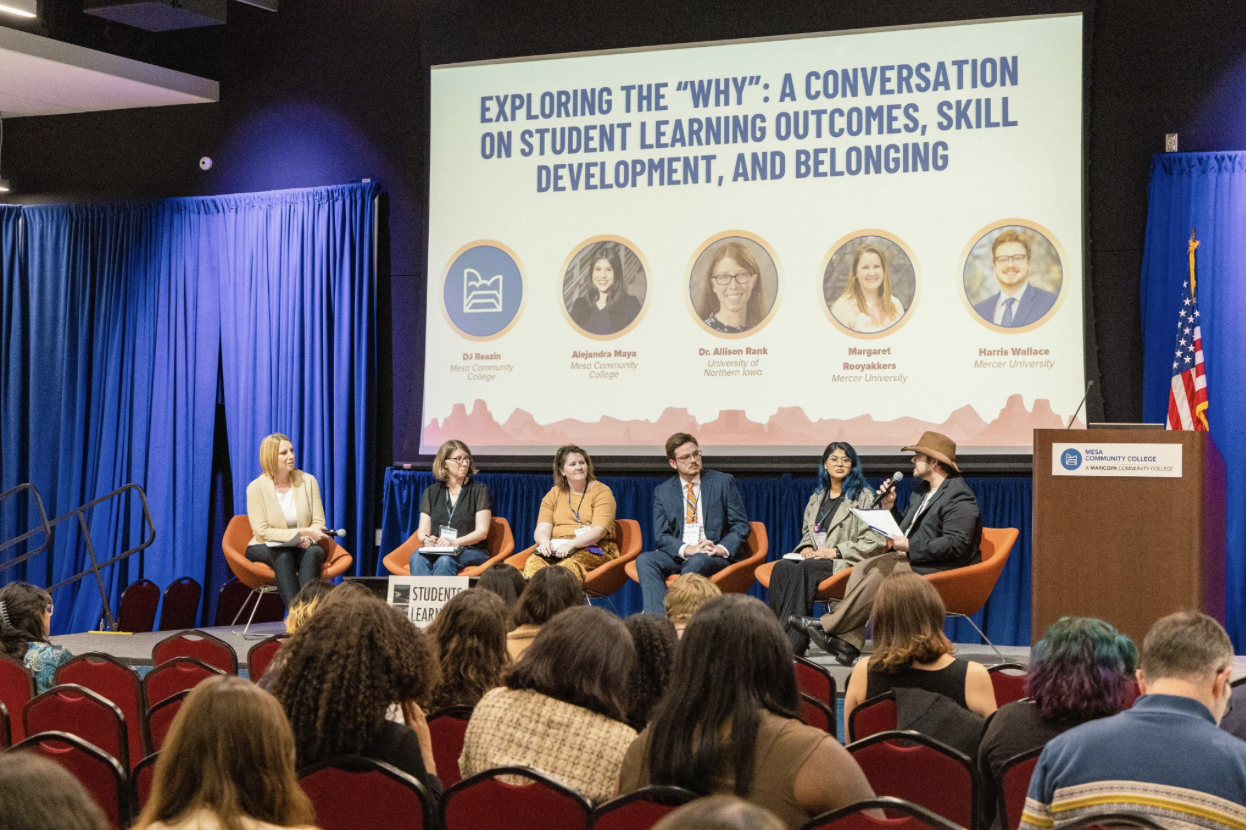
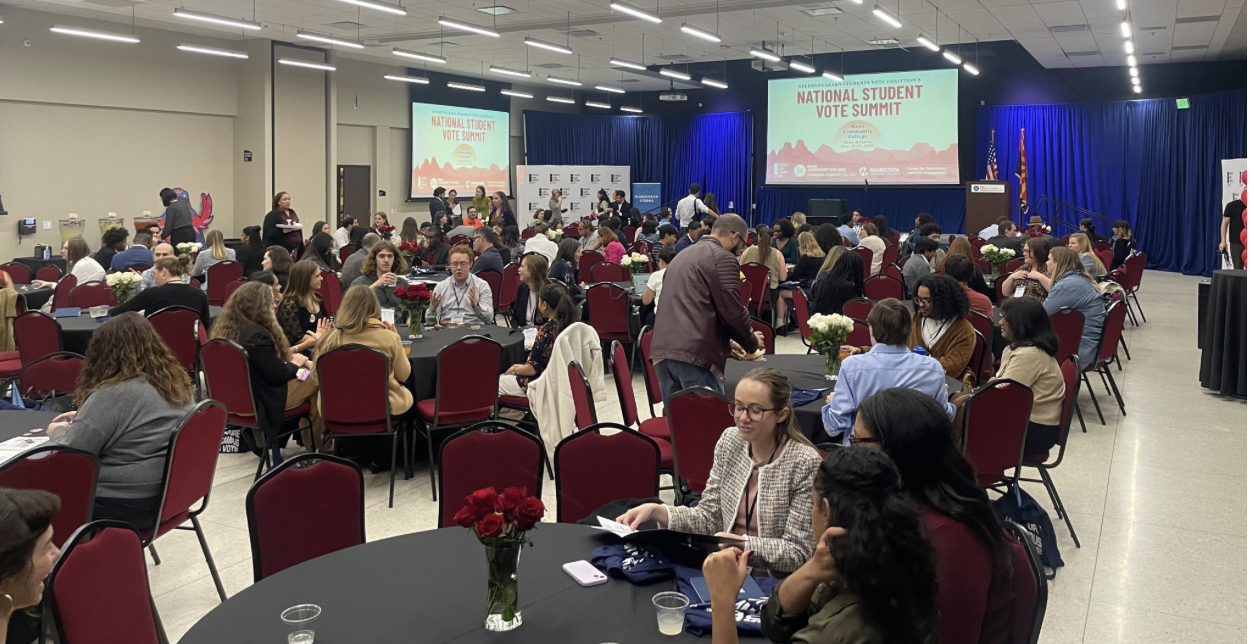
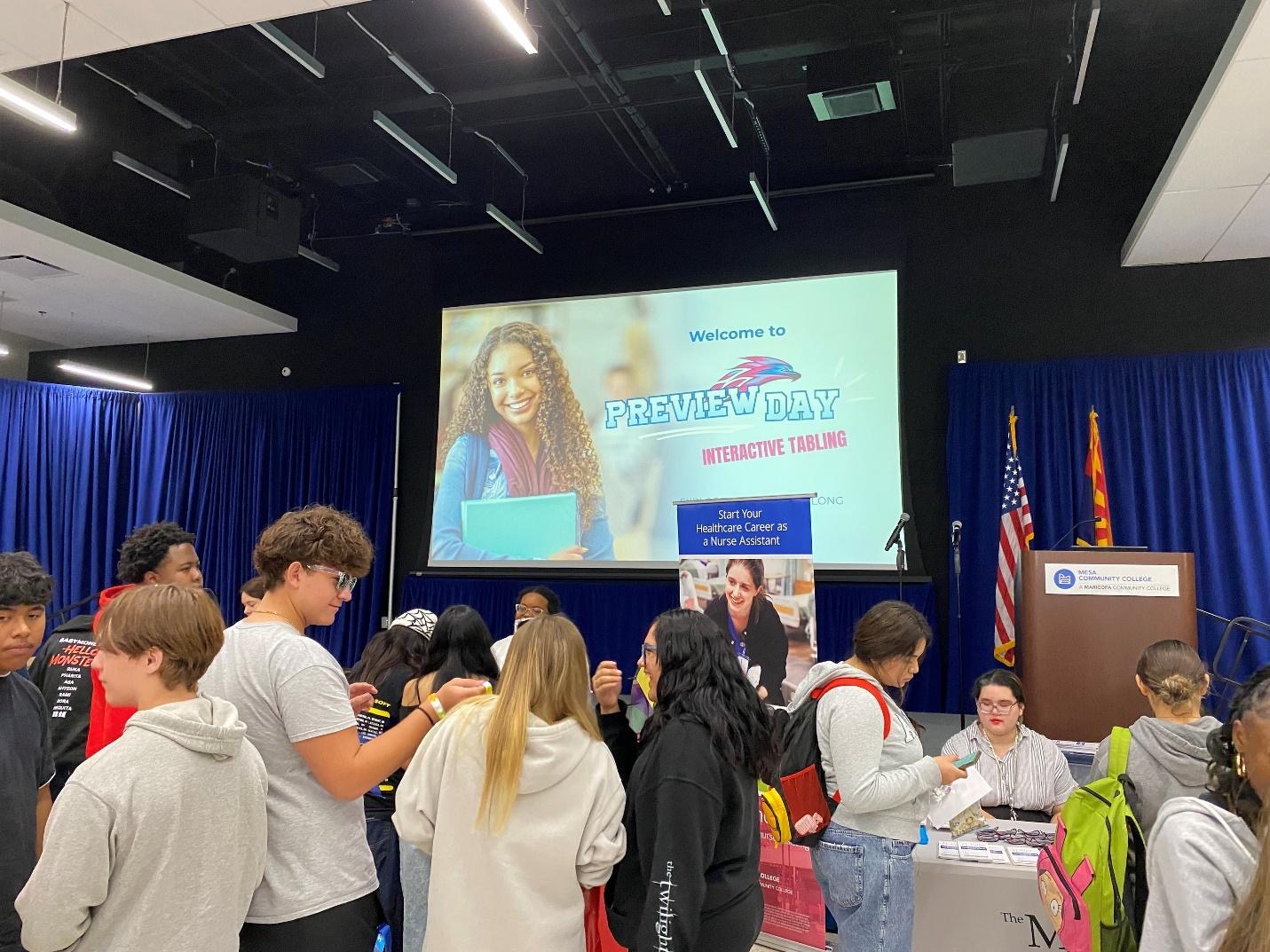
Mesa Community College (MCC) hosted the National Student Vote Summit and brought together college students, higher education professionals and civic organizations from across the country to discuss ways to increase voter participation among the younger generation.
The summit was organized by the Students Learn Students Vote (SLSV) Coalition in partnership with MCC and went on from Nov. 18-20. The event was focused on strengthening civic engagement on college campuses, addressing barriers to voting and networking with others to share strategies to encourage students to become more involved with the democratic process.
MCC became the first community college to host the National Student Vote Summit, providing a chance to highlight the role community colleges play in civic engagement.
Alejandra Maya, MCC’s Civic Engagement Program Coordinator, said hosting the summit was important because civic participation should extend beyond four year universities.
“We are the first community college in the country to be hosting this,” Maya said, “It’s important to bring this opportunity to students to see that this is not only for four-year institutions, it’s also open to everyone, including our community college space.”
Students who attended the national summit brought together experiences from their campuses and communities, including voter registration drives, canvassing and other efforts to encourage participation.
Grace Humphrey, a student at the University of Richmond who works with her school’s Center for Civic Engagement, attended to connect with other students and learn about different approaches to voter engagement.
Humphrey said that accessibility, education and political apathy are among the biggest barriers preventing young people from voting. She also explained that students often struggle to identify reliable election information and understand local political issues.

“Politics affect all of us,” Humphrey said, “Political issues affect all of us, not even us personally, but our friends, our family, community members.”
Morgan Ficklin, a student at Mississippi Valley State University (MVSU), attended as a volunteer with Black Women’s Voters, an organization affiliated with the Mississippi Black Women’s Roundtable.
Ficklin stated one challenge at MVSU is helping students understand the importance of voting in local and midterm elections, particularly when students felt their participation would not make a difference.
Her organization also helped students who lived outside of their college town reach polling locations by partnering with others to provide transportation.
One of Ficklin’s biggest takeaways from the national summit was the importance of direct communication.
“Canvassing matters, getting out matters, face-to-face matters more than getting people on the internet,” Ficklin said.
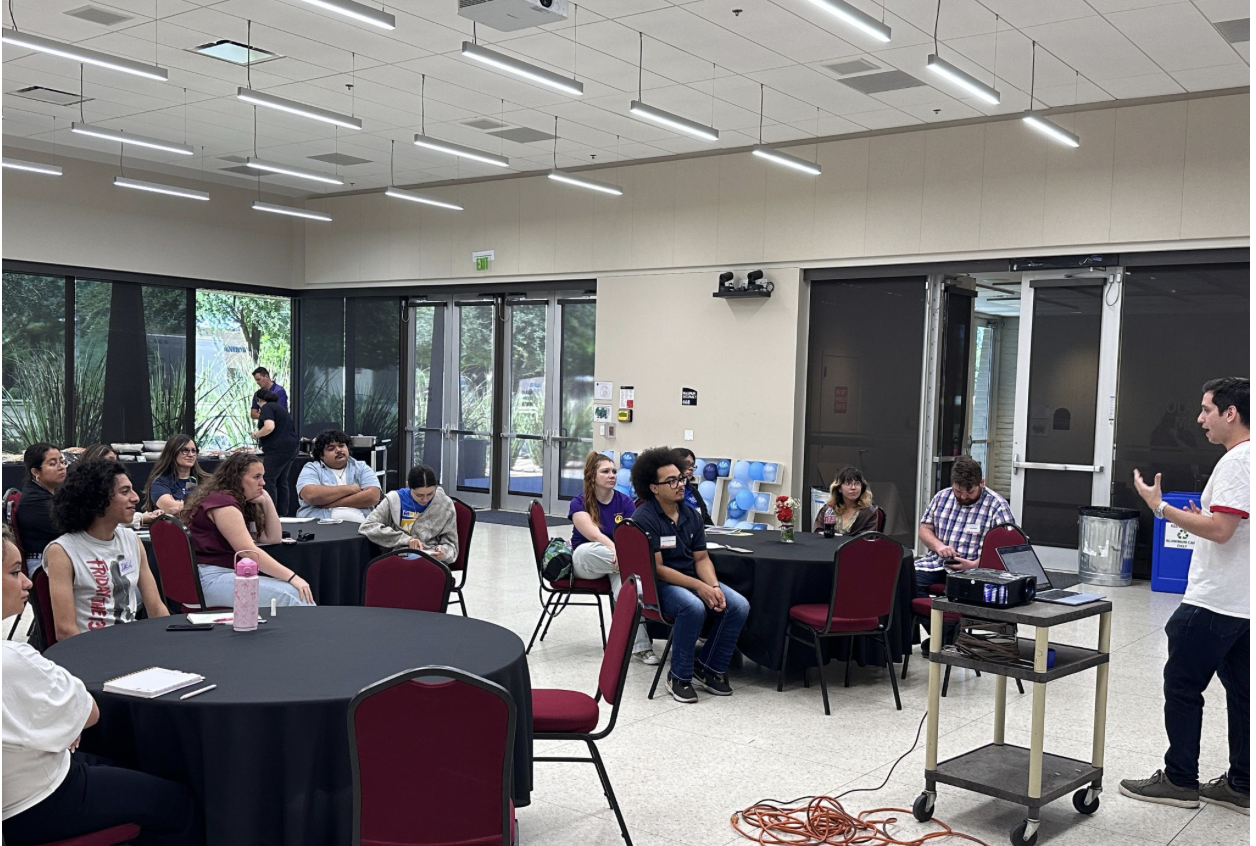
The summit also included breakout sessions focused on building trust within communities and developing effective campus voting programs for both students and administration.
In one session, presenters from the League of Women’s Voters and the University of Texas at San Antonio discussed how students can become trusted sources of election information. The breakout session went over media literacy, misinformation and the importance of connecting political issues to students’ everyday lives.
Another session featured student representatives from Northeastern University and Virginia Commonwealth University sharing how their campuses use student organizations, social media and community partnerships to reach students.
Maya said MCC works to address similar issues through its MCC Votes team, which provides classroom presentations and resources explaining the voting process, including where and how students can vote.
She explained how the summit reinforced the importance of continuing that work and listening to students who may feel disconnected from political issues.
“A lot of the time, sometimes students just need to be heard, and we need to meet them where they’re at,” Maya said.