





Future of mail-in voting uncertain
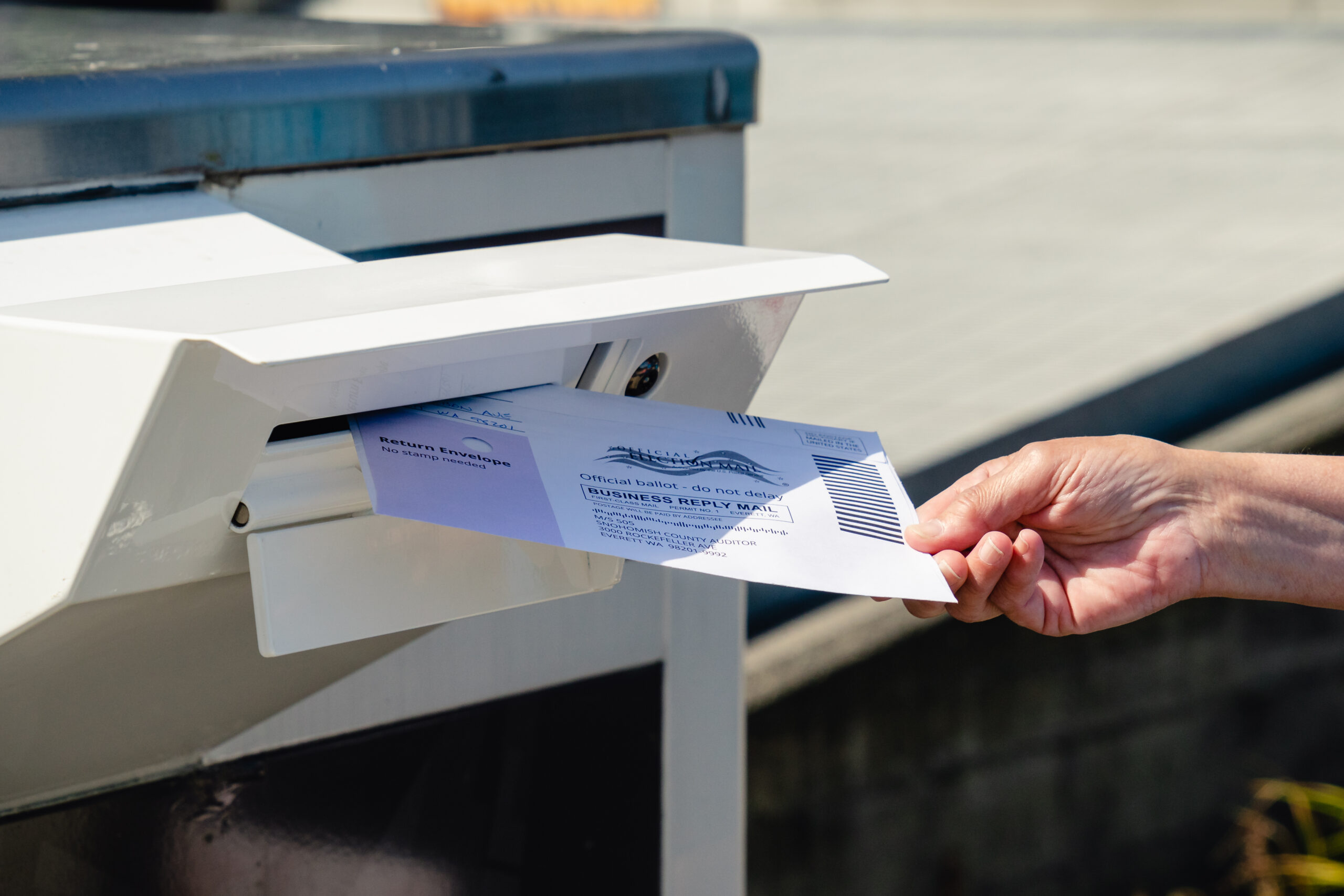
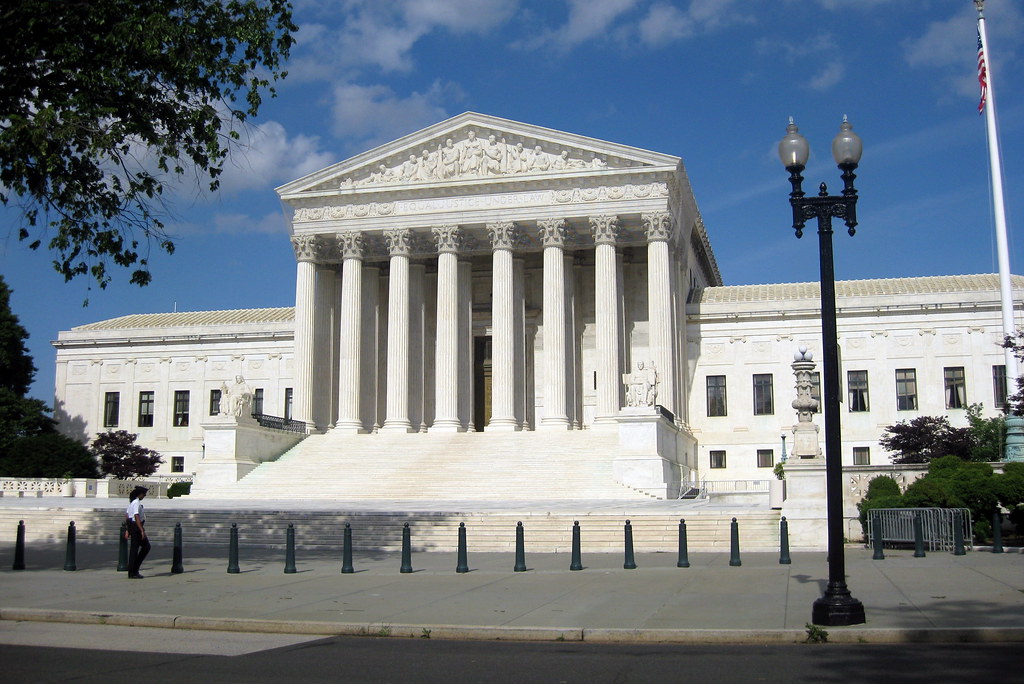
The United States Supreme Court heard a case on March 23 regarding absentee voting, debating whether federal law bars states from counting mail-in ballots postmarked by election day but received after, a law already in place in Arizona.
The issue comes from a Mississippi law which allows ballots postmarked by Election Day to be counted if they are received within five business days after the election. The outcome of this case could have widespread national effects, given Mississippi and 18 other states and territories allow late ballots to be counted, including battleground districts for the 2026 midterms in states such as Nevada and California.
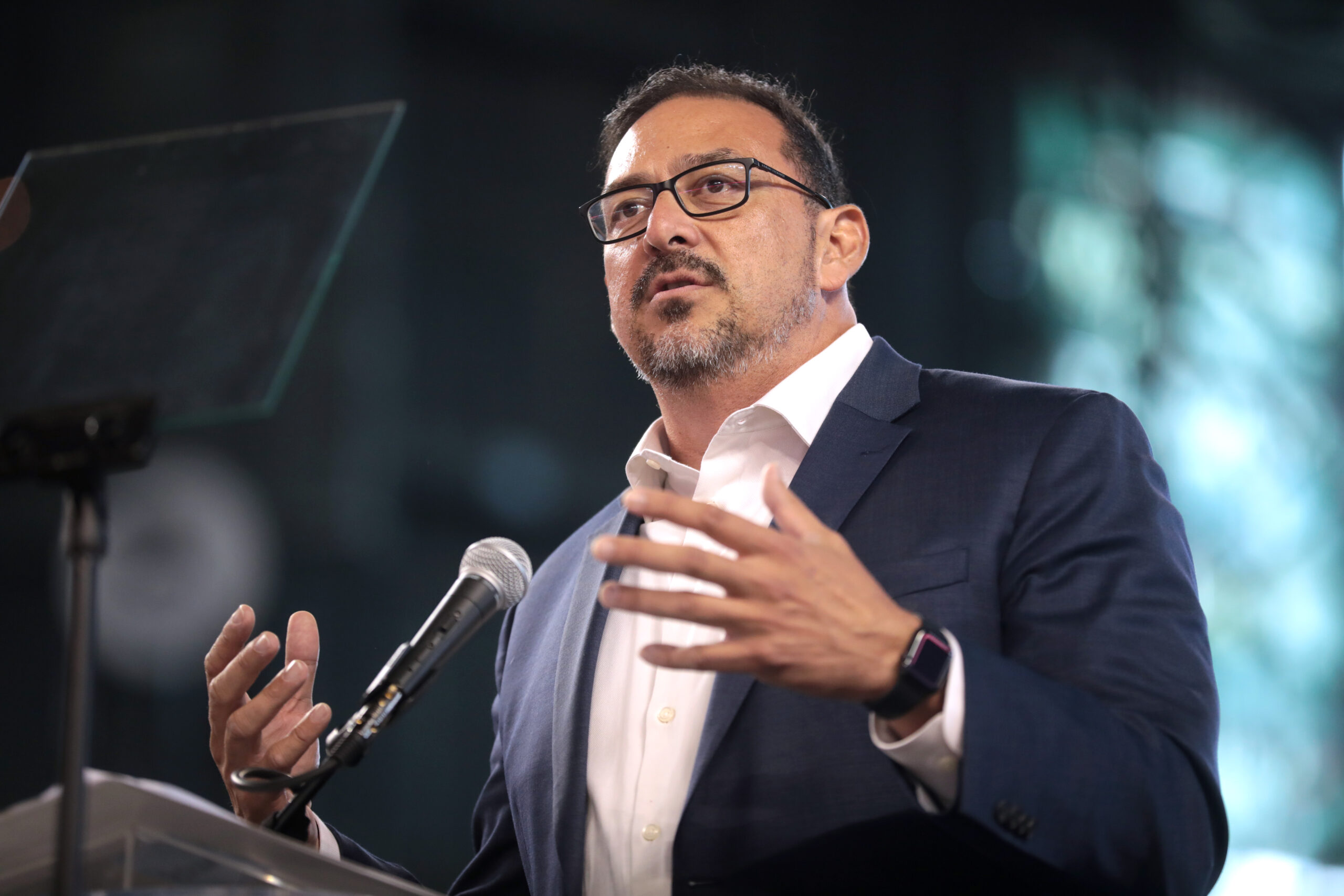
Arizona absentee voters face a different reality, with the state designated an “in hand” state as opposed to a “postmark” state. Arizona Secretary of State Adrian Fontes took to social media to explain the difference.
“Arizona is an ‘in hand state,’ that means the ballot has to be in the hand of the election official on election day. Not a postmark state. So the thing in the Supreme Court impacts those postmark states, not Arizona,” Fontes explained.
The conservative majority of the Supreme Court appears ready to reject the Mississippi law, a change that could have massive impacts on voting across the nation in a time when confusion and misinformation about voting run rampant.
Justice Barrett looked to the foundations of elections in the United States when making her argument for what differentiates election day today vs in the past.
“It seems to me that if you look at the historical practice, what an election meant was showing up in person and casting your vote and being qualified as the voter on that same day,” she said.
Arizona’s “in hand” rule for elections would become the standard for states across the nation if the Mississippi law is dismissed or altered, but there are other potential national changes for mail-in voting that would impact Arizona voters.
President Trump, who appointed three Supreme Court Justices and has been a longtime opponent of mail in voting, signed an executive order on March 31 that would greatly reshape the way absentee voting happens in every state.
The order directs the Department of Homeland Security to create lists of eligible voters in each state with the usage of Social Security Administration databases and only have mail in ballots delivered to those individuals. This order is expected to be rejected by states across the board as presidential overreach interfering with states rights to hold elections, but displays the President’s intention behind mail in voting.
“Cheating on mail-in voting is legendary. It’s horrible,” Trump said without evidence on March 31. “Democrats want to use it for cheating.” The president voted by mail himself in March as part of a special election in Florida.