
Maricopa Colleges host seminar series aiming to boost civic engagement
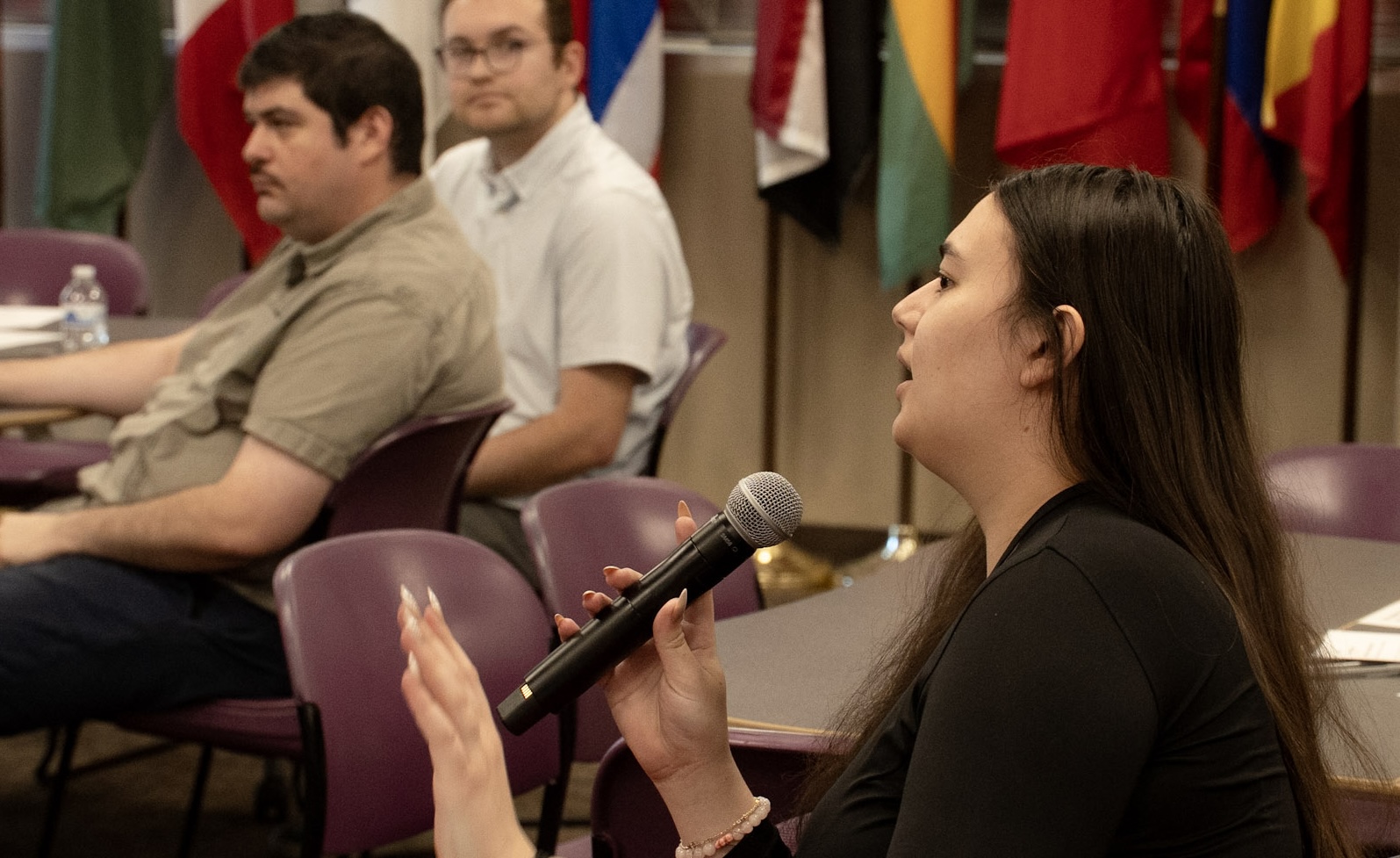
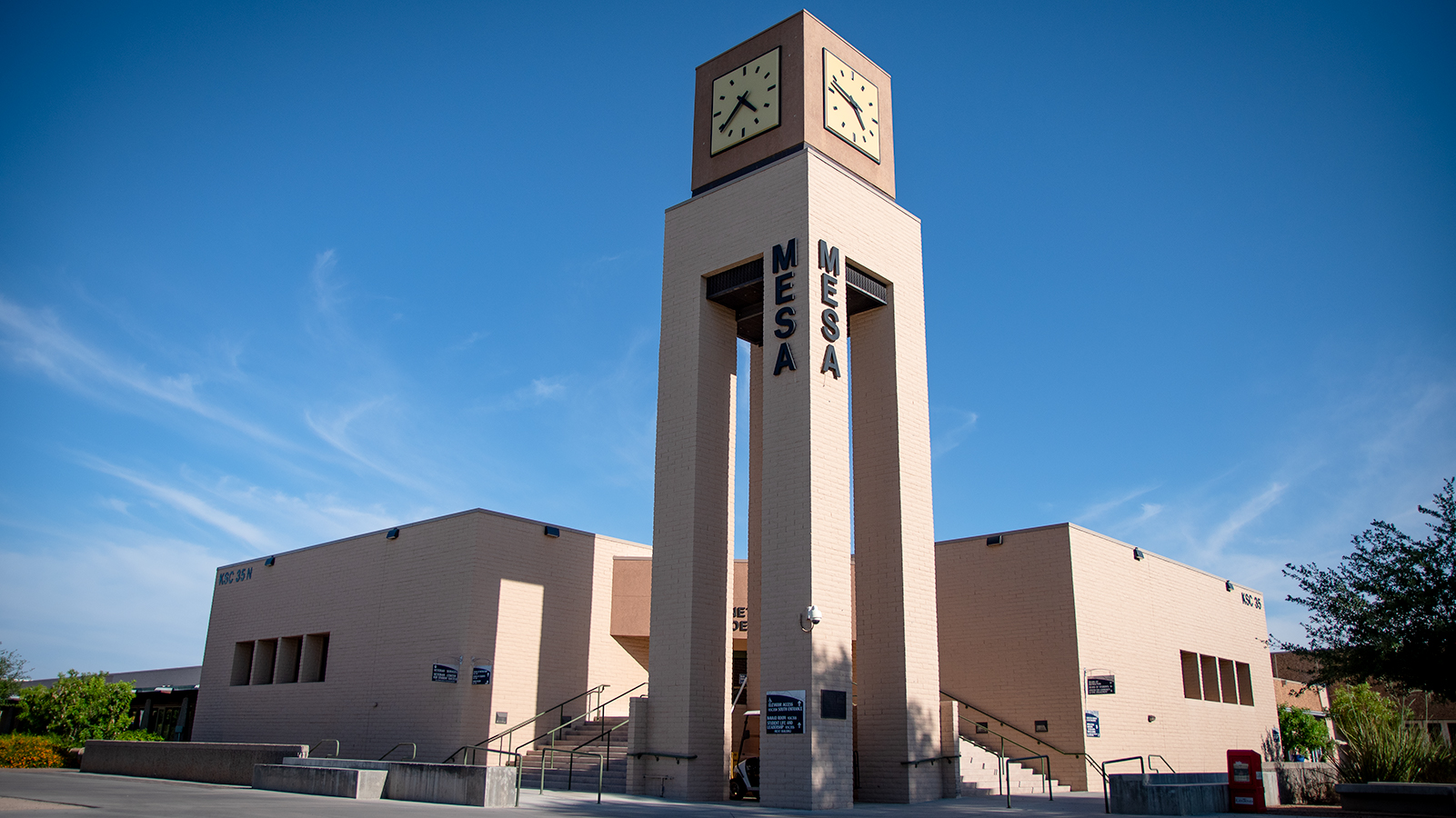
The Center for Excellence in Inclusive Democracy hosted an open forum roundtable with the Arizona Republic at Mesa Community College featuring a panel of reporters, editors, professors and public servants to discuss what it means for an individual to be civically engaged.
Despite the passion from the panelists, the event saw less than a dozen attendees, most of whom were MCC staff or employees of the organizations represented on stage. The panelists were undeterred by the low turnout from college students, and continued with the audience that had gathered.
Sean Holstege, city development editor for the Arizona Republic, opened the panel with remarks on the importance of a free press within an engaged society. “It works when the public is informed, can agree on the facts, and debate them civilly and act on that information at the ballot box or in city council meetings, and accept the results even if we don’t agree with them,” Holstege said. “It works like a three-legged stool and when one of them falls down, they all fall down.”
Maritza Dominguez, reporter for the Arizona Republic, emphasized that input from citizens results in fair and thorough media coverage. “I have covered three cities and it’s a lot of council meetings to be looking through and covering but it is the residents that make me realize what are the topics are of interest, what are they in support of or not in support of,” Dominguez shared, showing that it takes citizens showing up and making their voice heard for the press to know what needs to be covered.

Panelists had more to say about becoming actively engaged from a personal perspective, however. Councilmember Francisco Heredia, the youngest member on Mesa City Council, shared a story on the importance of engagement and how it impacts both the community and individual growth, transforming him from a timid youth into the public servant he is today.
“I was a really shy individual when I was young, so for me it was a struggle to do things that I felt uncomfortable with. I think a lot of youth have that, being afraid of conflict or figuring out how to do something you don’t know of,” reflected Heredia. “So for me, getting out of my comfort zone more because when I did, it gave me a perspective of how to handle situations, how to work with people, how to resolve conflicts, so for me when I did do that, it helped me evolve as a person and understand what my community faces in different areas.”
Some panel members dove deeper into what it means to be an engaged citizen, and why it sometimes can be a challenge to become active both within individual selves and within larger communities. Brian Dille, a political science professor at MCC, highlighted that members of society may feel entitled to their rights, but neglect the civil responsibilities that uphold those rights.
“We in the west tend to focus on our rights and privileges in a consumer model of citizenship, but we don’t put a lot of effort into the duties and responsibilities side of citizenship. So there’s less tension to what you do in order to maintain and secure those rights, we don’t really talk about that part.” Dille continued, spotlighting other external factors that prevent civic engagement as well.
“The other part is that people are just really busy. It takes attention, it takes time, it takes energy to be engaged,” Dille shared. “So we are constantly chasing after people, asking them and reminding them to step up and be citizens.”
The seminar series will visit three more campuses by the end of April, with hopes of reaching more college aged citizens and inspiring them to take action and become engaged. The next event takes place on March 10 at Phoenix College, with a focus on the importance of jury service.
