

Voters show no apathy in history-making election
Mutinkhe Kaunda
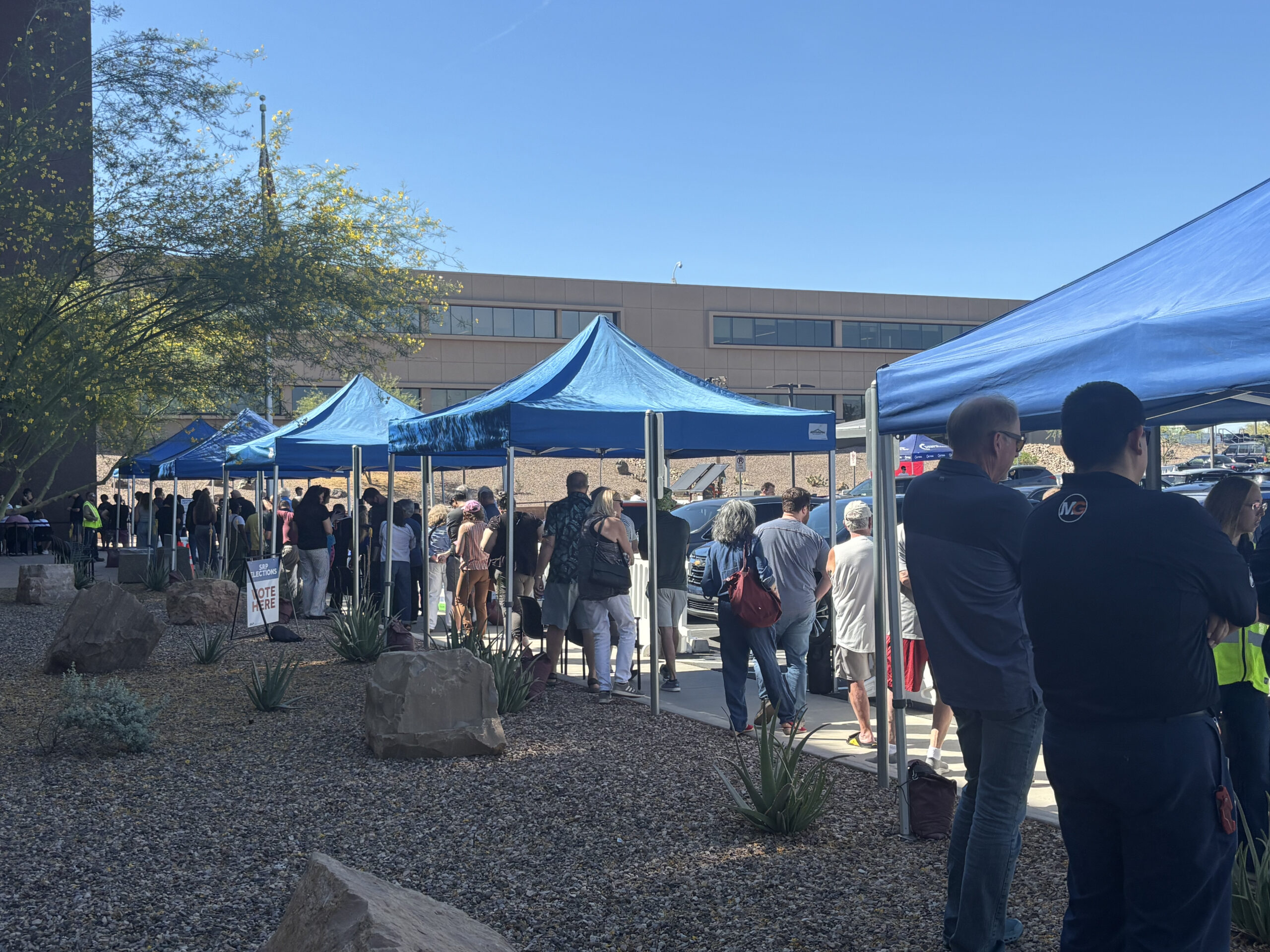
As was their right this year, voters had the opportunity to express their opinions through the ballot. As of yet, figures do not give a clear indication on actual voter demographics, but some observers noted the “record turnout” at the polls. Exit polls indicate that the voter turnout rate may be the highest since the Richard Nixon versus Hubert Humphrey election in 1968, when 60.7 percent of American voters cast their votes.
According to CNN Election Center 2008, the age and not the race of the voters was a greater determinant of how Americans voted.
According to the CNN Election Center’s assessment of the 2008 exit polls, approximately 68 percent of voters in the 18 to 24 age group voted for Obama where as only 30 percent of voters within same age group voted for McCain.
McCain supporters came from the age 65 and over age group at 54 percent, but even within this age category, 44 percent felt that Obama was the better candidate, according to the CNN Election Center 2008.
As expected, African-Americans voted in greater numbers than in previous years, with approximately 96 percent voting for Obama. Voting trends of other groups including Hispanic and Asians followed the same pattern.
Voter apathy, or a lack of interest in matters concerning policy and government, has been a problem among Americans in the 18 to 24 group.
For the 1996, 2000 and 2004 presidential elections, voters between the ages of 35 and 64 cast approximately 50 percent of the votes, while the percentage voters in 18 to 24 age group was lower, at approximately 13 percent for the same elections.
However, younger voters seemed more interested in the voting process in this year’s election. Perhaps this could be attributed to President-elect Barack Obama, who as the younger of the two candidates, attracted more of a following from young voters, especially young African-Americans.
Coupled with the media, I think that Barack Obama’s clever use of the Internet and social networking sites such as Facebook and Twitter may have swayed younger voters in his favor.
In this election cycle, the state of the economy and the war in Iraq stood out as overriding issues. As with the 1968 election, younger voters were probably more likely to voice their opinion against the war.
According to the U.S. Census Bureau, the upward trend in the voter turnout rate began in 2004. I was really glad to witness this historic election.