




Arizona political leaders encourage EPA to issue emergency fuel waiver
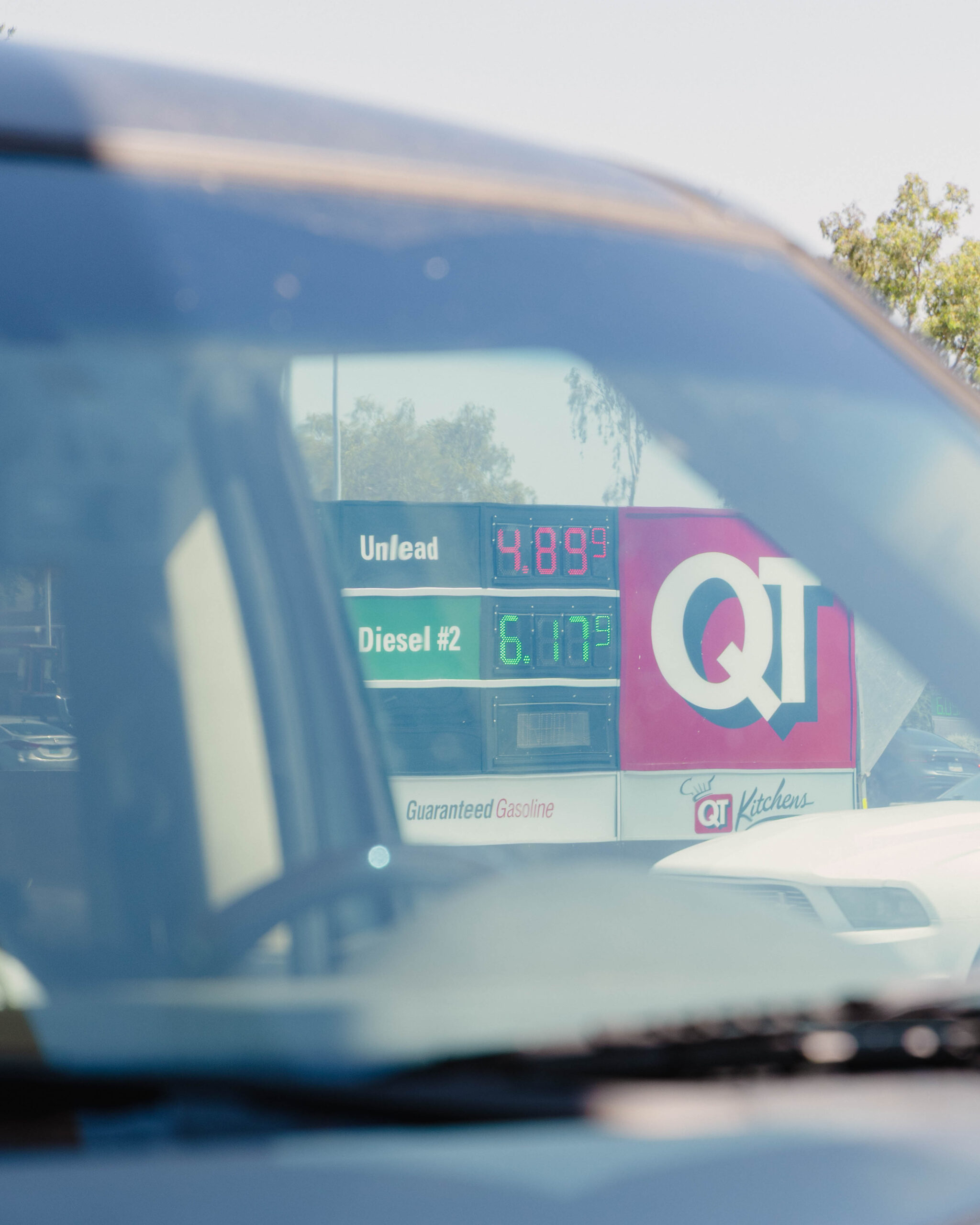
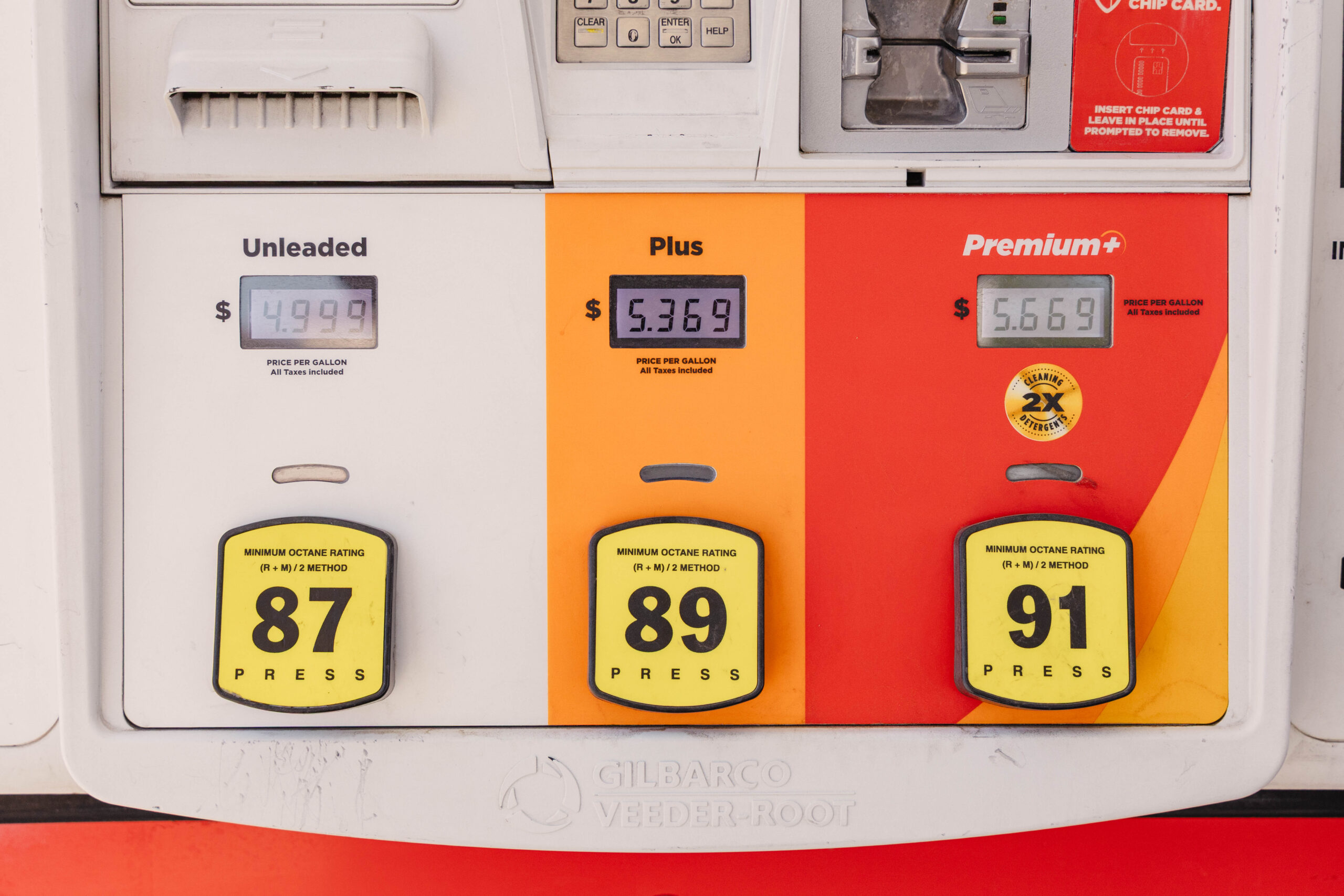
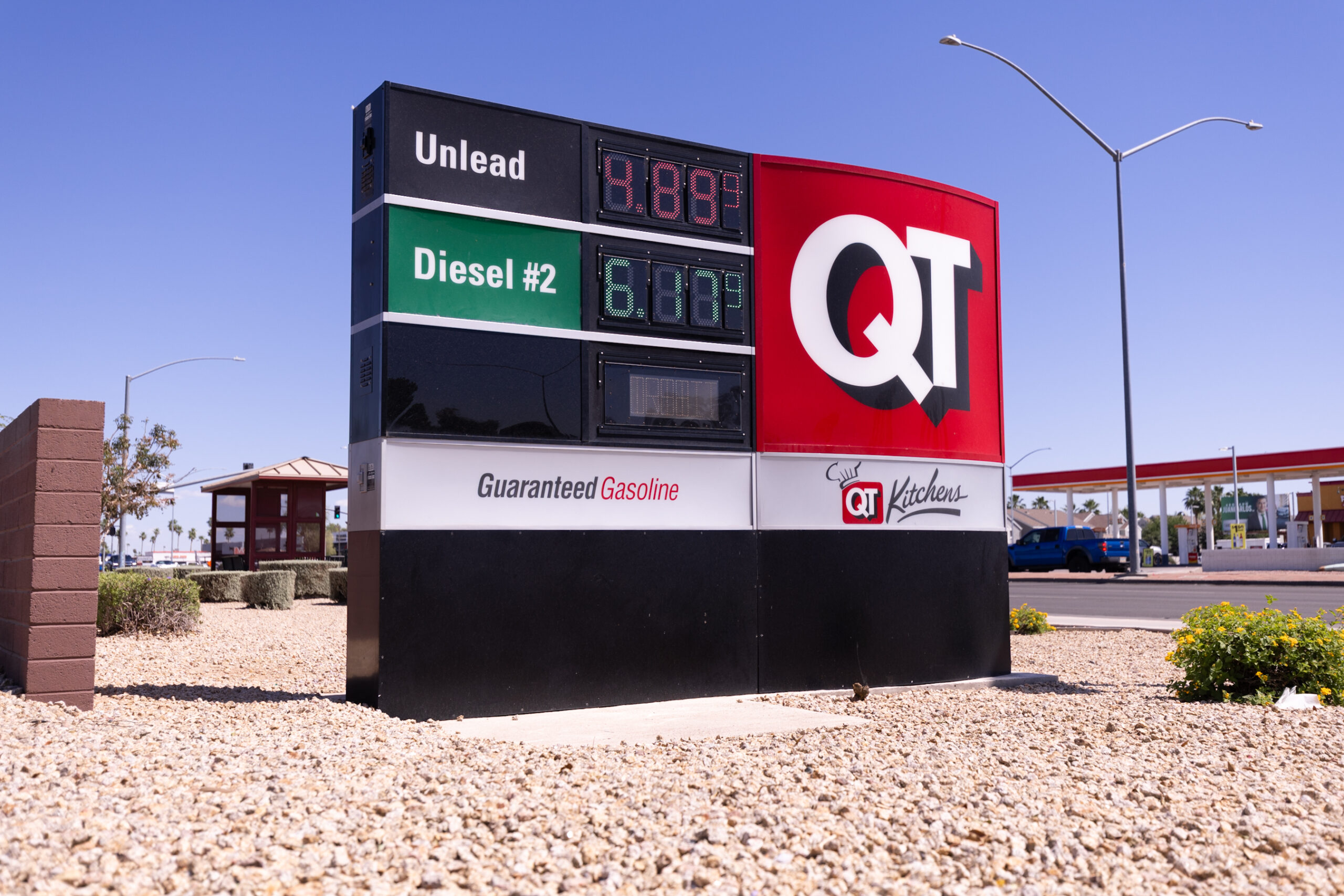
Arizona political leaders have called for measures to help alleviate rising gas costs for residents across the state amid concerns about fuel availability due to the Strait of Hormuz’s closure.
The Strait of Hormuz is a crucial oil shipping route which roughly 25% of the global maritime oil supply passes through. As a result of the ongoing conflict between Iran and the United States, all passage through the Strait has been halted by Iran with the exception of vessels that pay a $2 million toll.
Among the leaders taking action are Senator Ruben Gallego and Governor Katie Hobbs, who requested that the Environmental Protection Agency issue a national fuel waiver which would allow for gasoline with a higher ethanol content to be sold. This can help offer price stability because ethanol is produced domestically, generally less expensive than petroleum and less susceptible to the volatile global oil market.
“The price of gas has skyrocketed due to the war in Iran. This important waiver will help create supply certainty, bring prices down and help Arizonans get by,” said Governor Hobbs.
Shortly after the request, the EPA issued a nationwide waiver on March 26, effective May 1 through May 20, although the agency has indicated it intends to continuously renew these waivers if the extreme and unusual fuel supply circumstances still persist after the set deadline.
Concerns of fuel do not stop at the price, as the availability of fuel is also under threat because Arizona has no in-state fuel refineries. The majority of the state’s fuel comes from pipelines in either Texas or California, and the transit process which can take around a week.
Working alongside the EPA to combat the issue of fuel availability is the Weights and Measures Services Division (OWM) of the Arizona Department of Agriculture, which conducts fuel quality inspections and regulates fuel specifications.
“While we do not control prices, the Office plays a critical role in preventing physical fuel outages at the pump,” the OWM said in a statement provided to the Mesa Legend. “Under state law, if a registered fuel supplier demonstrates a factual, imminent physical shortage of required ‘boutique’ fuel blends or ethanol, OWM can implement an official state enforcement discretion directive in direct response to a waiver issued by the EPA.”
Directly following the announcement of EPA’s nationwide waiver, the OWM issued one of these enforcement directives to allow for the sale of a fuel blend typically banned from distribution during the summer because of air quality concerns. The blend evaporates quickly in the summer heat and increases the risk of smog.